Lavender, Rose & Chamomile Evening Tea
A thoughtfully balanced herbal infusion for quiet evenings
“The finest herbal infusions are composed much like fine perfumes—not around a single ingredient, but around harmony.”
There is a tendency to think of herbal teas as collections of ingredients chosen solely for their traditional uses. In reality, the most memorable infusions achieve something rather different. They balance aroma, flavour, colour and ritual, creating an experience that appeals as much to the senses as to the palate.
This week’s Botanical Ritual celebrates lavender, not in isolation, but alongside two of its oldest companions: fragrant rose petals and gentle chamomile flowers. A touch of cinnamon introduces warmth without overwhelming the floral notes, while a strip of dried lemon peel lifts the entire infusion with quiet brightness.
The result is an elegant evening tea that is comforting, aromatic and beautifully simple.
Why These Botanicals Belong Together
Every ingredient has been selected for a reason.
Lavender (Lavandula angustifolia)
Lavender provides the aromatic foundation of the infusion. Its floral, herbaceous character is instantly recognisable, yet when used sparingly it contributes freshness rather than dominating the cup.
Rose (Rosa damascena)
Rose petals soften lavender’s herbal edge, adding gentle floral sweetness and an unmistakable elegance that has made the pairing famous in gardens and perfumery for centuries.
Chamomile (Matricaria chamomilla)
Chamomile introduces subtle apple-like notes that round the floral profile while contributing a naturally mellow finish.
Cinnamon (Cinnamomum verum)
A small fragment of true cinnamon adds warmth and depth. Rather than making the tea taste overtly of spice, it acts as a bridge between the floral ingredients and the gentle sweetness of honey.
Lemon Peel
A single strip of dried lemon peel brightens the infusion, much as citrus top notes lift a fine perfume. It should never dominate, only provide freshness.
Ingredients
Serves one.
- 1 teaspoon dried chamomile flowers
- ½ teaspoon dried lavender flowers
- ½ teaspoon dried rose petals
- 1 small piece of Ceylon cinnamon stick
- 1 thin strip of dried lemon peel
- 250 ml freshly boiled water
- 1 teaspoon local honey (optional)
Method
- Warm your teapot or favourite mug with hot water before discarding it.
- Add all of the dried botanicals to the pot or infuser.
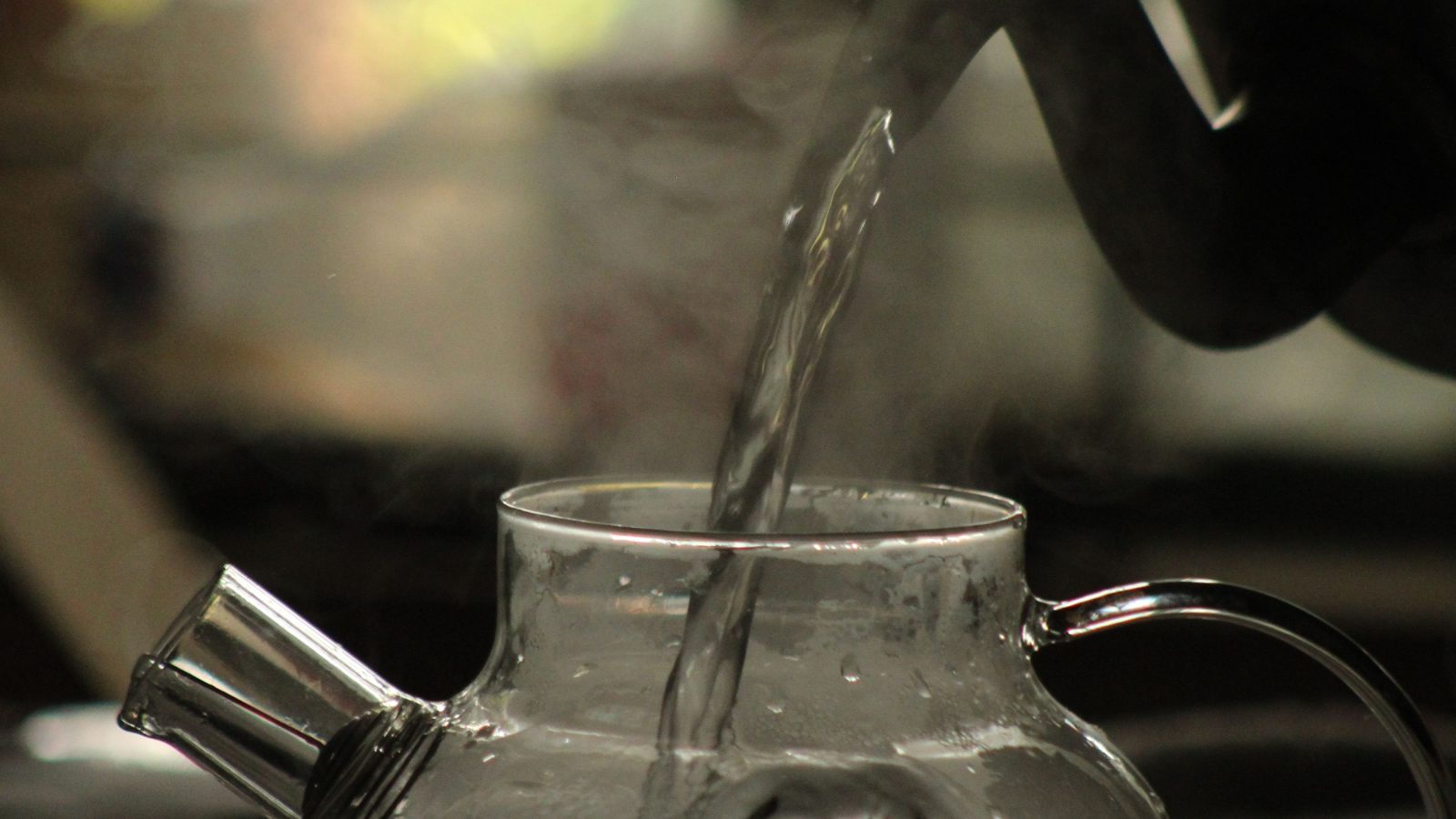
- Pour over freshly boiled water.
- Cover and infuse for five to seven minutes.
- Strain into a warmed cup.
- Sweeten with a small quantity of honey if desired.
Serve immediately while the aromas remain at their most expressive.
Tasting Notes
The first impression is floral yet restrained.
Lavender arrives gently before yielding to the softer sweetness of rose. Chamomile contributes a rounded, almost orchard-like character, while cinnamon appears only towards the finish, leaving gentle warmth that lingers without becoming spicy.
The result is balanced rather than bold—a tea intended for slow evenings rather than hurried mornings.
The Ritual
Prepare this tea after the day’s work has finished.
Allow the kettle to boil without rushing.
Warm the cup.
Take a moment to notice the fragrance rising with the steam before taking the first sip.
Whether accompanied by a favourite novel, quiet conversation or simply a few uninterrupted minutes, the ritual itself is every bit as important as the infusion.
Sometimes the greatest luxury is simply allowing enough time to enjoy a cup of tea without distraction.
The Botanical Science
Lavender, rose and chamomile have all featured in European herbal traditions for centuries and continue to attract scientific interest today.
Their essential oils contain complex mixtures of naturally occurring aromatic compounds that contribute to their distinctive fragrances. Although research continues to investigate these botanicals, this recipe is offered for enjoyment rather than as a therapeutic preparation.
No claims are made that this infusion improves skin health or treats medical conditions. Instead, it reflects the long-standing tradition of appreciating botanical ingredients through taste, aroma and mindful daily rituals.
Pair With
This infusion complements an evening skincare routine beautifully.
After cleansing, take a few moments to enjoy the tea while allowing your moisturiser or facial oil to absorb naturally. The combination encourages a slower pace, transforming everyday skincare from a task into a simple act of self-care.
Healthy skin is influenced by many factors, including sleep, nutrition, hydration, environmental exposure and appropriate skincare. Small rituals such as these may not change skin physiology directly, but they can encourage the consistency and mindfulness that underpin long-term wellbeing.
Botanical Rituals
At Botanicals & Company, our Botanical Rituals celebrate the quiet ways in which plants enrich everyday life. They are not prescriptions or medical advice, but invitations to slow down, explore the botanical world with curiosity and create moments of beauty through simple, thoughtful practices.
About the Author
Ashley Morgan is the founder and editor of Botanicals & Company, where she writes about botanical ingredients, cosmetic science and evidence-based skincare.
Her work explores the intersection of botany, traditional herbal knowledge and modern scientific research, with a particular interest in translating complex academic literature into clear, accessible guidance for everyday readers. Through the Botanicals & Company Botanical Library, she is building one of the most comprehensive independent collections of botanical ingredient monographs and educational resources for skincare enthusiasts, formulators and lifelong learners.
Ashley believes that understanding an ingredient should always come before believing the marketing surrounding it. Every article published by Botanicals & Company is guided by the same editorial principles: careful scholarship, transparency, intellectual curiosity and respect for the natural world.
When she is not researching botanical ingredients, she can usually be found with a notebook, a cup of tea and an ever-growing pile of scientific papers.